“They’re just baby teeth — they’re going to fall out anyway.”
It’s one of the most common things parents say when they discover their young child has a cavity. And it makes intuitive sense. If the tooth is going to fall out in a few years, why go through the trouble — and the tears — of treating it?
Here’s why: baby teeth matter far more than most parents realize. Leaving them untreated doesn’t just affect your child now — it can create problems that follow them for years.
What Baby Teeth Actually Do
Baby teeth — also called primary teeth — aren’t just placeholders. They serve several critical functions during your child’s development:
1. They Help Your Child Eat
Children need healthy teeth to chew food properly. When a baby tooth is painful or decayed, children often avoid chewing on that side of their mouth — leading to dietary restrictions, nutritional gaps, and eating habits that can be hard to break.
2. They Help Your Child Speak
Teeth play a major role in speech development. Many sounds — including “s,” “th,” “f,” and “v” — require the tongue to interact with the teeth. Children who lose baby teeth too early can develop speech patterns that require intervention from a speech therapist to correct.
3. They Hold Space for Permanent Teeth
This is the big one. Baby teeth act as natural space holders — guiding permanent teeth into their correct positions as they develop beneath the gumline. When a baby tooth is lost too early (due to decay or extraction), the surrounding teeth shift to fill the gap. The permanent tooth then has nowhere to go and comes in crooked, crowded, or impacted.
Many cases of orthodontic treatment — braces, expanders, extractions — are directly linked to the early loss of baby teeth that weren’t cared for.
4. They Support Jaw Development
The roots of baby teeth stimulate the jawbone to grow properly. Without healthy teeth in place, the jawbone doesn’t develop the way it should — affecting the long-term structure of your child’s face and mouth.
5. They Affect Your Child’s Confidence
Children are perceptive. A child with visibly decayed, discolored, or missing front teeth is aware of it — and so are other children. The impact on self-confidence and social development is real and shouldn’t be underestimated.
What Happens When Baby Teeth Are Left Untreated
A small cavity in a baby tooth doesn’t stay small. Here’s what untreated decay can lead to:
- Pain and infection. Tooth decay progresses to the nerve, causing significant pain and potentially a dental abscess — a serious infection that can spread beyond the tooth.
- Early tooth loss. A severely decayed tooth often needs to be extracted, triggering the space-loss problems described above.
- Damage to permanent teeth. Infection in a baby tooth can spread to the developing permanent tooth underneath — damaging it before it even erupts.
- More complex and expensive treatment. A small filling today costs a fraction of what a dental abscess, extraction, and space maintainer will cost later.
- Dental anxiety. Children who experience dental pain and complex procedures early are far more likely to develop lasting dental anxiety that follows them into adulthood.
Early Childhood Tooth Decay Is More Common Than You Think
Early childhood caries (ECC) — the clinical term for tooth decay in young children — is the most common chronic disease in children in the United States. It affects nearly 1 in 5 children between ages 2 and 5.
The good news is that it’s almost entirely preventable with the right habits and regular dental care starting early.
How to Protect Your Child’s Baby Teeth
Here’s what Dr. O recommends for parents:
- Start dental visits early. The American Academy of Pediatric Dentistry recommends the first dental visit by age 1 or within 6 months of the first tooth appearing. Early visits catch problems before they develop and establish good habits from the start.
- Clean teeth from day one. Before teeth appear, wipe your baby’s gums with a clean, damp cloth. Once the first tooth appears, brush gently with a soft infant toothbrush and a rice-grain sized smear of fluoride toothpaste.
- Watch what goes in the bottle. Never put a baby to bed with a bottle of milk, formula, or juice. The sugars in these liquids pool around teeth during sleep and cause rapid decay — often called “bottle mouth.”
- Limit sugary snacks and drinks. Fruit juice, gummy snacks, and frequent sugary treats are major contributors to early childhood decay. Water is always the best drink between meals.
- Ask about sealants and fluoride. Professional fluoride treatments and dental sealants provide an extra layer of protection for children at higher risk of cavities.
When Baby Teeth Do Need Treatment
If Dr. O finds a cavity in a baby tooth, treatment is almost always recommended — regardless of how close the tooth is to falling out naturally. The exceptions are teeth that are genuinely about to fall out on their own within weeks.
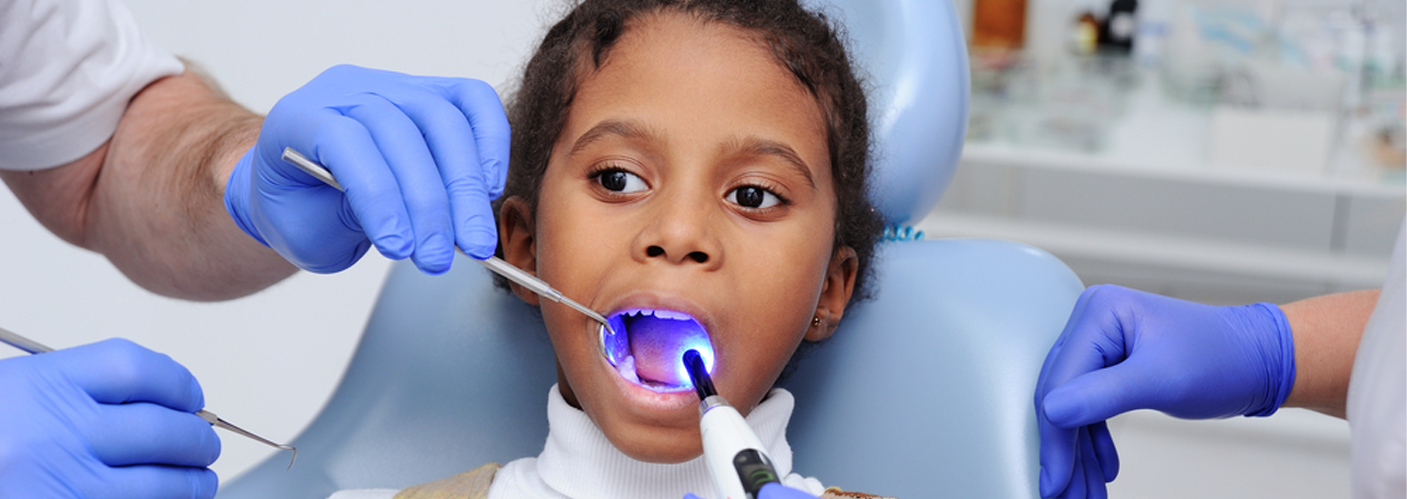
At Children’s Dentistry of Arlington, we use laser dentistry to treat most cavities without drilling, without needles in most cases, and without sedation. The experience is dramatically different from what most adults remember from their own childhood — and most children handle it much better than parents expect.
The Bottom Line
Baby teeth are not disposable. They are essential tools for eating, speaking, and guiding your child’s permanent teeth into place. Taking care of them isn’t just about the teeth themselves — it’s about your child’s overall health, development, and confidence.
The best thing you can do is start early, visit regularly, and treat problems when they’re small. That’s exactly what we’re here for.
→ Learn about your child’s first dental visit
→ Book a checkup for your child today
→ Schedule an appointment at Children’s Dentistry of Arlington